
Dumping the Dump Bed: Rethinking Articulated Trucks
Viewing ADTs differently opens new opportunities for utilization, uptime, and jobsite flexibility.
Rosenort, Manitoba — June 5, 2026
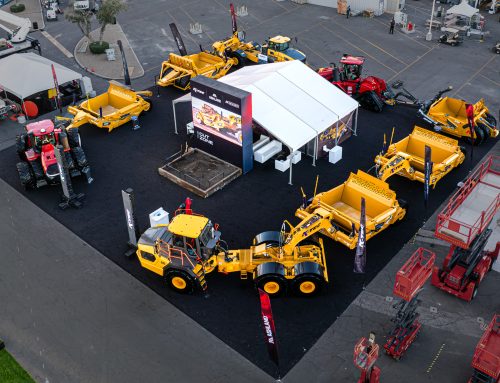
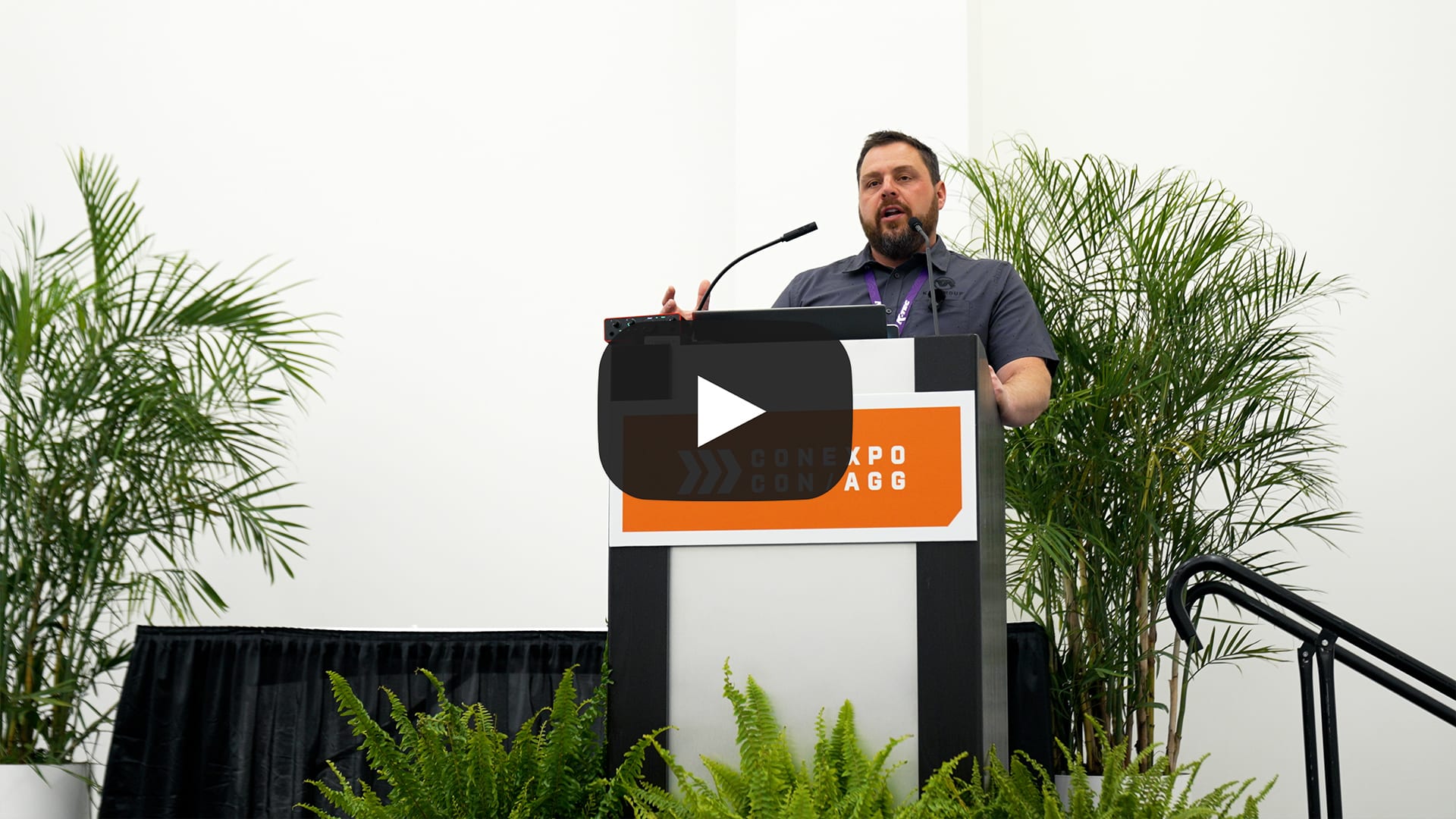
At CONEXPO-CON/AGG 2026, Shaun Eidse, Director of Product at K.A. Group, presented
“Dumping the Dump Bed” a talk that challenged contractors, operators, and fleet managers to think differently about articulated dump trucks. For years, articulated trucks have been defined by one attachment: the dump body. On many jobsites, the machine is simply called a dump truck, and its role is often decided before the project even begins.
But what if the truck was viewed differently?
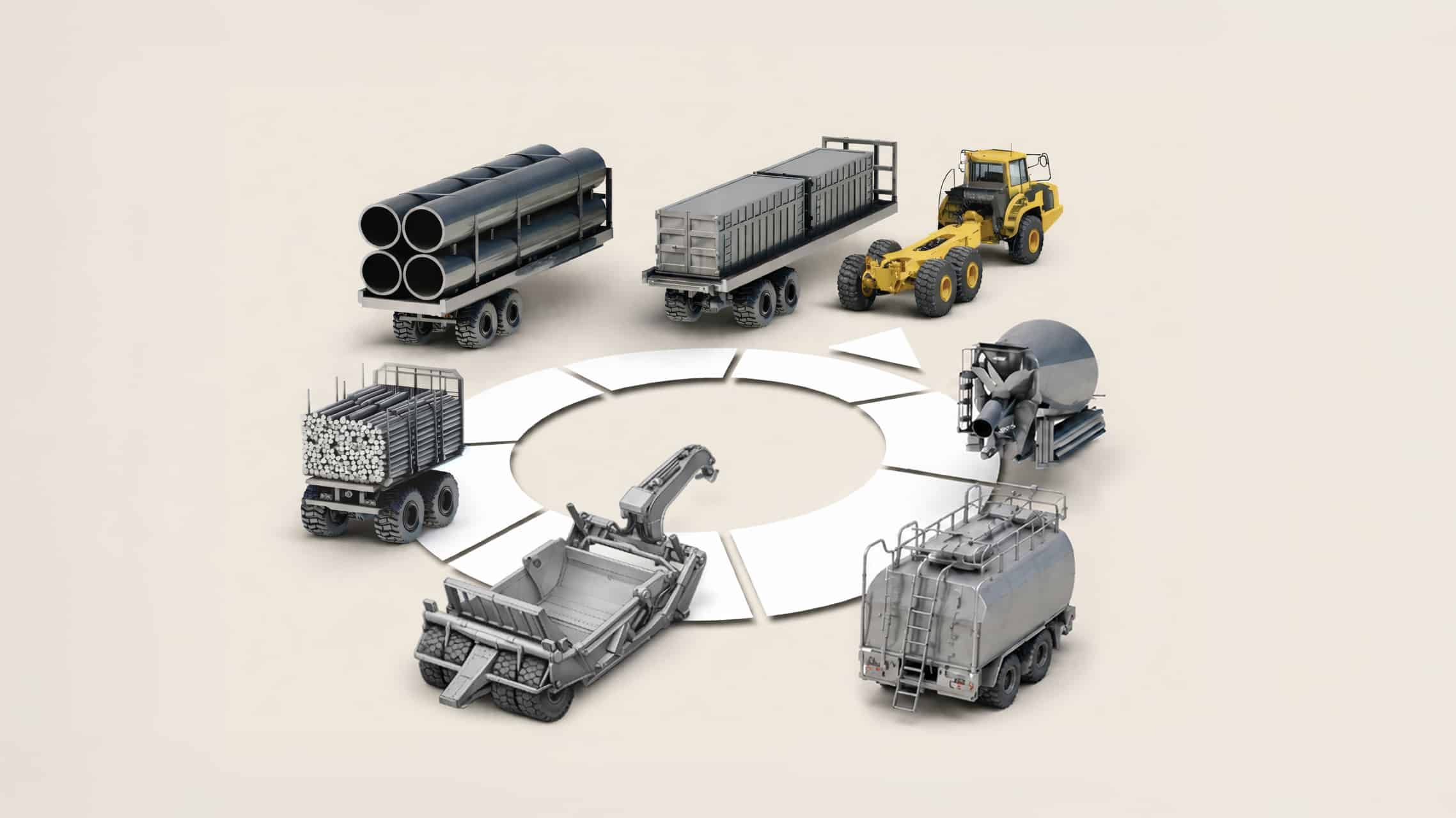
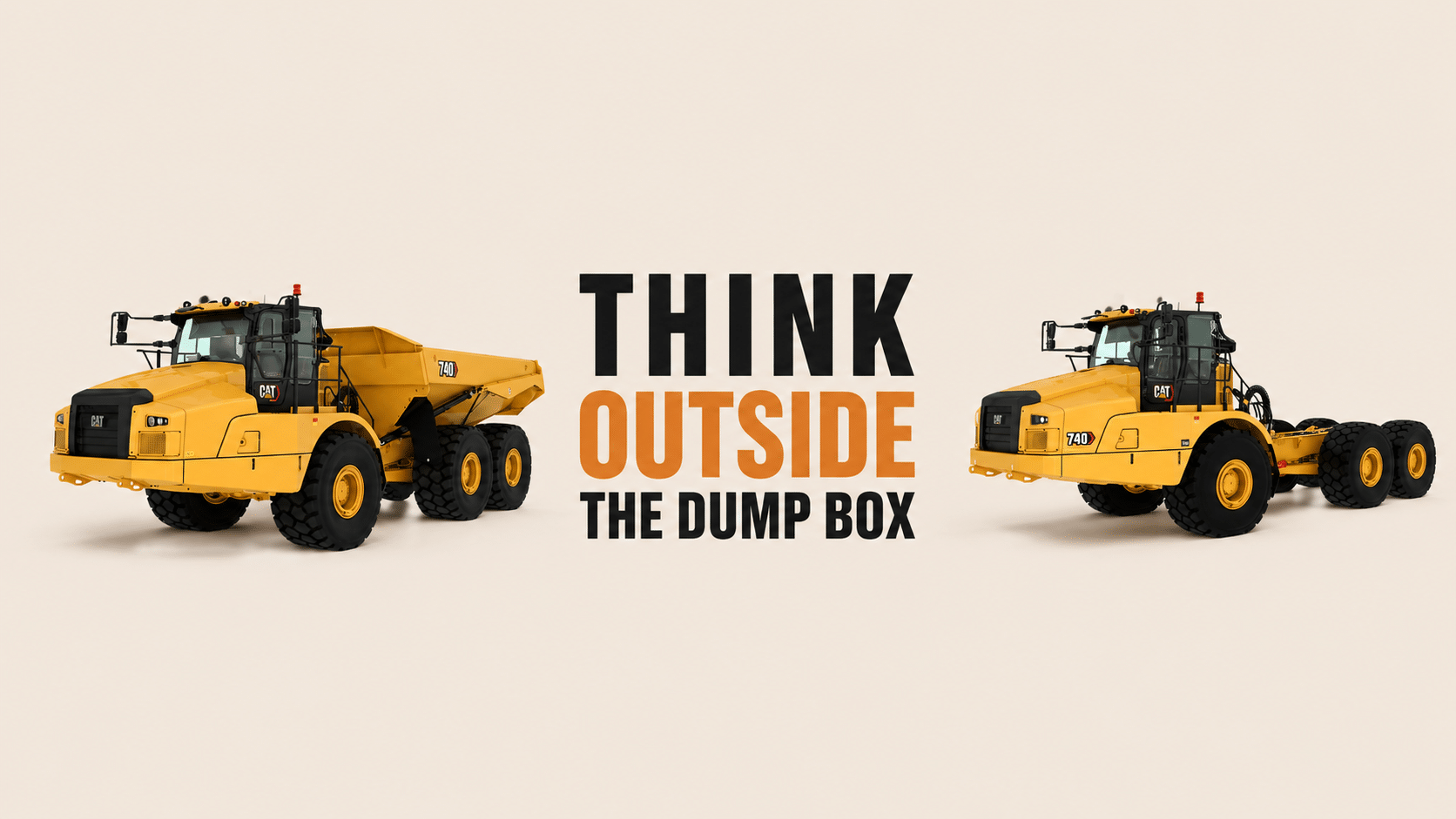
Eidse encouraged the audience to “think outside the dump box” and see the articulated truck as an adaptable power unit. One platform capable of taking on multiple roles throughout the life of a jobsite. It is a simple shift in thinking, but one that can have a major impact on utilization, uptime, and jobsite productivity.
The Cost of Idle Iron
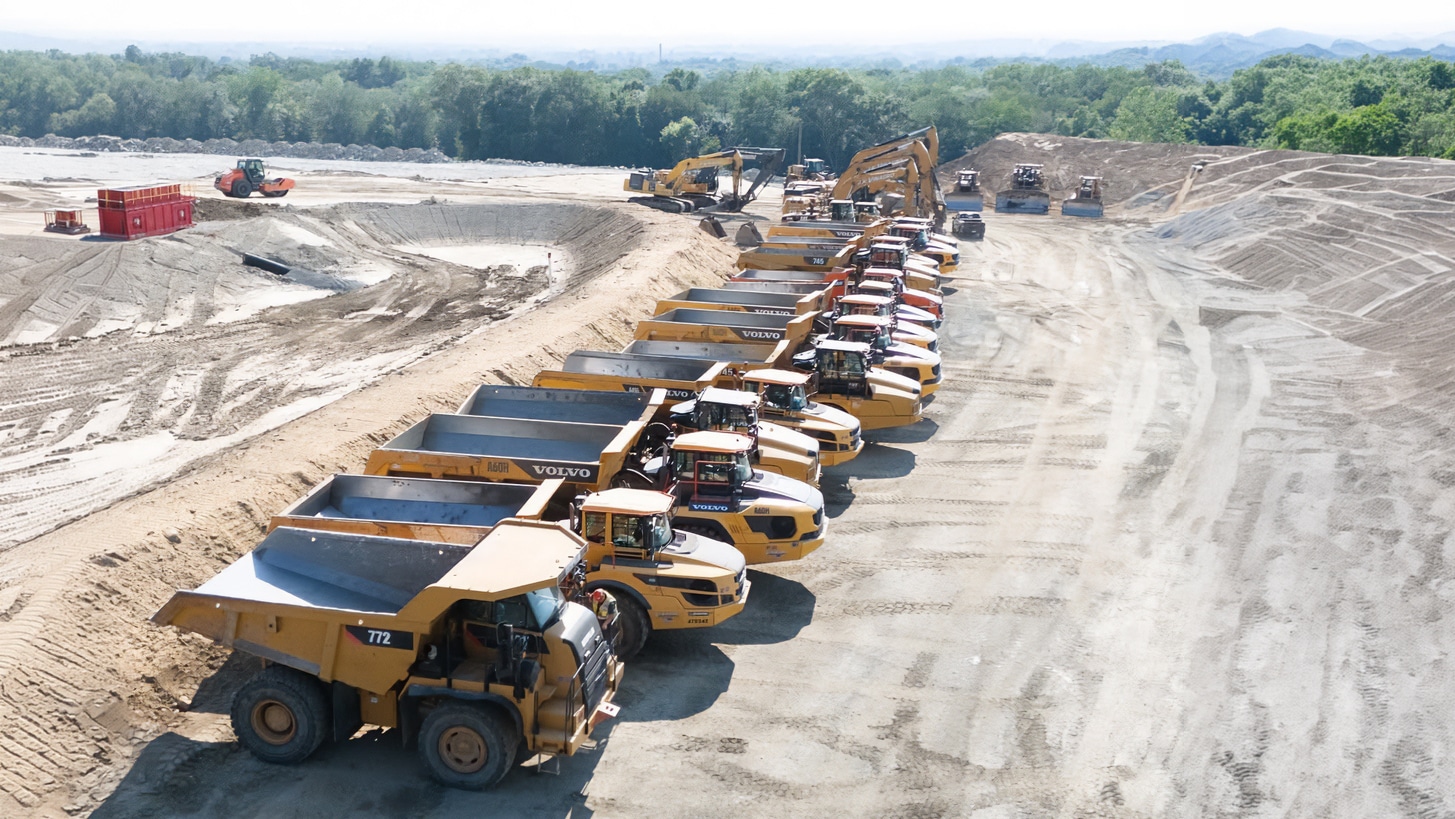
Every jobsite changes. Weather, ground conditions, inspections, permits, sequencing, and subcontractor delays can all shift the original plan. When that happens, equipment that was once essential can quickly become idle. “Every site has the same enemy: idle iron” said Eidse. “The machine that was perfect for one role gets parked.”
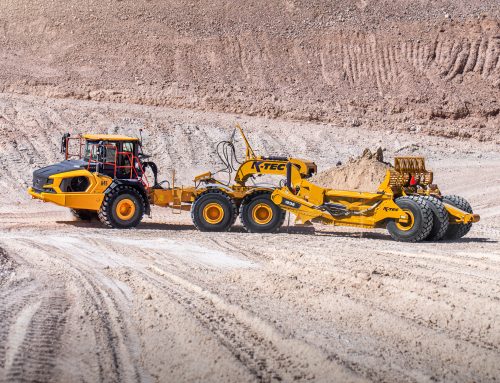
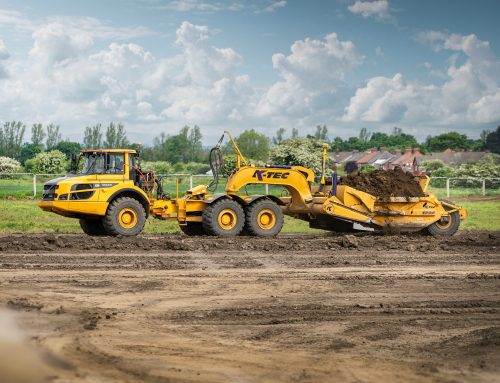
For contractors, parked equipment is more than an inconvenience. It is a machine that is not producing revenue, not supporting the schedule, and not helping the crew move the job forward. That is why planning for multiple uses matters. If an articulated truck can transition from hauling, to pulling a scraper, to supporting water, fuel, service, or equipment transport, it can continue earning throughout more phases of the project.
Two Lives of an Articulated Truck
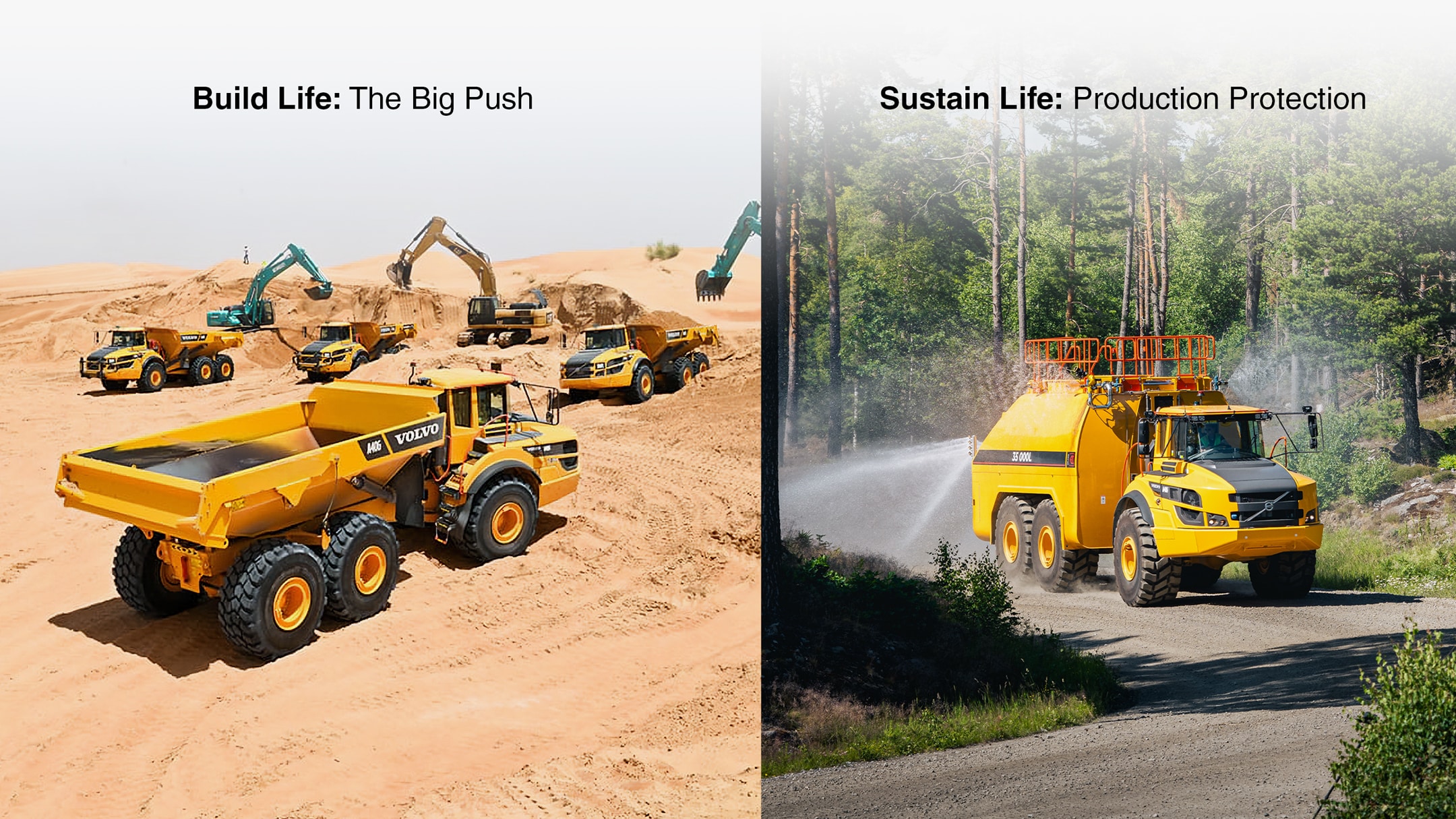
One of the key ideas from the presentation was that an articulated truck can be viewed as having two working lives: the build life and the sustain life.
The build life is the high-production phase. This is bulk earthwork, high-demand cycles, aggressive schedules, and premium work. In the early hours of a truck’s life, it typically has its strongest performance, highest reliability, and best warranty support. “The goal is simple: use your premium hours for your premium work,” said Eidse.
That does not mean abusing equipment. It means using new, high-performing machines where they can create the most value.
The sustain life comes later, when the truck may no longer be the best fit for the hardest production role but can still provide value in support applications. That may include water tanks, fuel and lube bodies, service bodies, equipment transport trailers, or other specialized attachments. “Sustain life isn’t about being less productive,” said Eidse. “It’s about protecting your production.”
Utilization and Uptime
Keeping a truck working is important, but keeping it working reliably is what drives results.
“If utilization is our headline, uptime is the multiplier,” said Eidse.
Choosing the right job for the truck, maintaining haul roads, improving dump zone conditions, and matching the attachment to the site can reduce stress events, risky unloads, harsh impacts, and stop-and-go abuse cycles.
Matching the Truck to the Constraint
In bulk earthwork, the best attachment is not always determined by what the truck can physically do. It is determined by what is slowing the job down. Eidse broke common jobsite constraints into three major areas: mobility, haul, and unload.
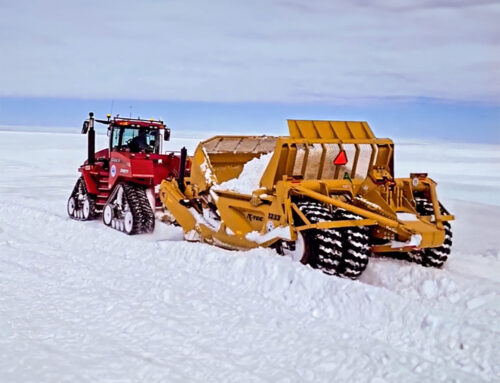
Is the ground soft? Are haul roads rough? Are there steep grades, overhead obstacles, tight dump zones, or heavy traffic in the unload area? “The bottleneck with these trucks is rarely, ‘Can the truck do it?’” said Eidse. “The real question is, ‘What slows you down? What adds risk? And what forces rehandling?’” That is where the choice between dump bodies, ejector bodies, scrapers, and other attachments becomes important.
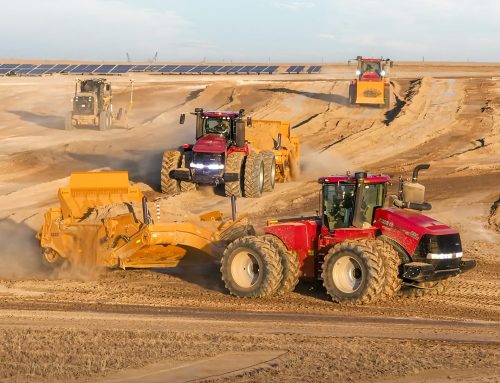
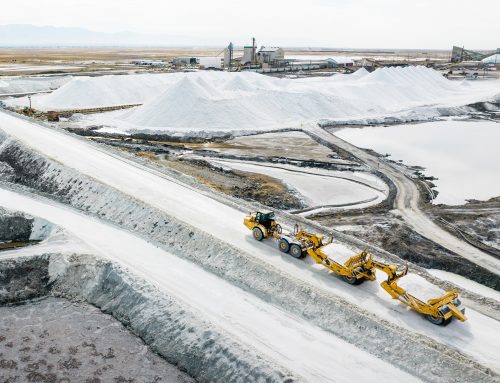
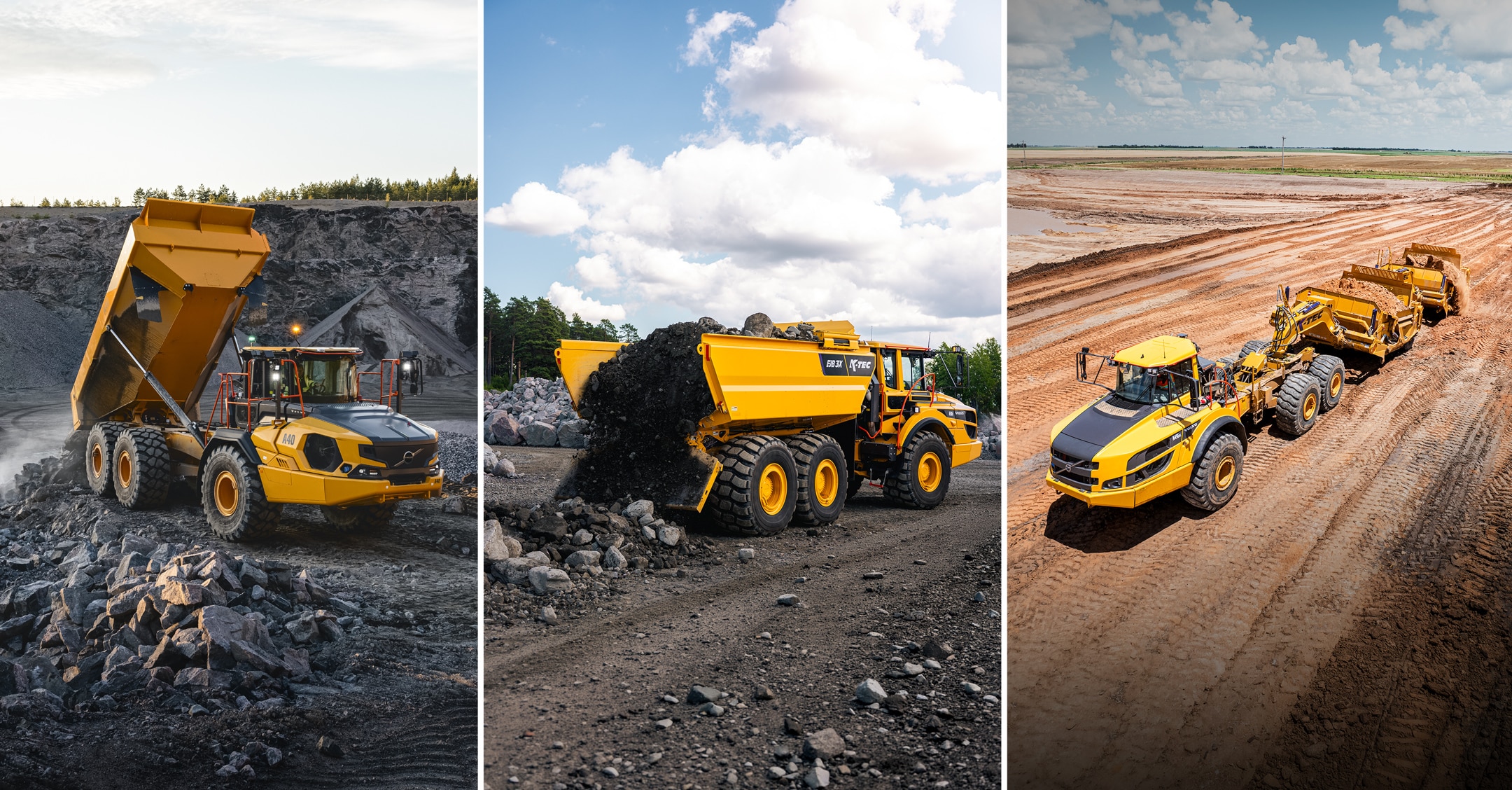
Dump bodies remain a strong fit when the material and cycle are right. They are familiar, efficient, and proven, especially when hauling rock or working in established dump zones. Ejector bodies can help when unloading safely and consistently is the challenge. Scrapers can reduce extra handling by combining load, haul, unload, and spread into one cycle.
The message behind “Dumping the Dump Bed” is not that dump bodies are going away. It is not about replacing one method with another. It is about expanding the way contractors think about the articulated truck platform.
The Bigger Question: What Is the Next Mission?
When contractors look at articulated trucks as power units, they gain more flexibility in how they plan equipment utilization across the full life of a machine. The same truck can support production in one phase and protect production in another. That approach can help contractors ask better questions:
- What is the bottleneck on this site?
- Where is the risk point?
- Is this truck in its build life or sustain life?
- What attachment or role keeps utilization high while protecting uptime?
- And most importantly: what is the next mission for the truck?
For K-Tec, that question is central to how contractors can get more from their articulated truck investment. Whether through dump bodies, ejector bodies, scraper systems, water tanks, service bodies, or transport solutions, the opportunity is the same: keep the power unit productive, keep the job moving, and reduce idle iron wherever possible.
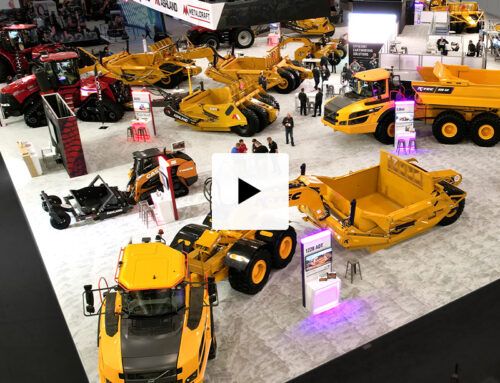
Watch the Full Presentation
Watch Shaun Eidse’s full “Dumping the Dump Bed” presentation from CONEXPO 2026 here:
For further information, please contact:
Mike Thiessen,
Director of Marketing,
[email protected],
+1 204 746 6435 ext 245